

Few home quirks are as instantly annoying—or worrying—as water pressure that suddenly drops to a trickle or surges like a firehose. One minute your shower is perfect, the next you’re dancing in a drizzle… or bracing against a blast. If that’s happening, you’re not imagining things—and you’re not alone. In the Phoenix area, our desert-hard water, busy municipal systems, and temperature swings can all play a role. Here’s how to figure out what’s going on, what you can safely check yourself, and when it’s time to call Desert Drain Plumbing.
What “Normal” Pressure Looks Like
- Typical residential water pressure: 40–60 PSI
- Too high: Above ~80 PSI (this can damage fixtures and appliances and often violates code without a pressure-reducing valve)
- Too low: Below ~40 PSI (you’ll feel it in showers and at multiple taps)
A basic, screw-on hose-bib pressure gauge (available at any hardware store) can tell you your exact PSI at an outdoor spigot. It’s a small investment that can save a lot of guesswork—and it’s safe for homeowners to use.
Sudden Low Pressure: Common Culprits
- Partially closed valves: Someone recently worked on the plumbing? Check the main shutoff and any individual fixture valves (angle stops under sinks/toilets). If they’re not fully open, you’ll get starved flow.
- Clogged aerators & showerheads (scale buildup): Phoenix’s hard water leaves mineral deposits that choke tiny openings. Unscrew the aerator or showerhead, soak in vinegar, and scrub. If pressure returns, you’ve found the issue.
- Whole-house filter or cartridge clog: A filter nearing the end of its life can throttle the entire home. Check the last change date; swap the cartridge and retest.
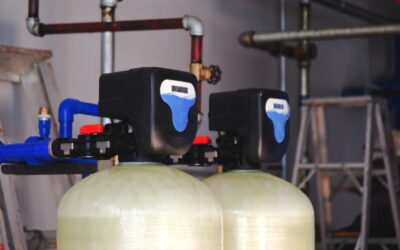
- Water softener bypass or resin issues: A softener set to bypass or a resin bed that’s fouled can tank your pressure. Ensure correct valve position and inspect/service the unit if it’s overdue.
- Pressure-reducing valve (PRV) failing closed: Many homes have a PRV on the main line. When it begins to fail or debris gets caught, it can restrict pressure suddenly.
- Municipal fluctuations or maintenance: Hydrant flushing, line work, or a main break can temporarily drop pressure. This usually resolves on its own—but if it doesn’t, call a pro to verify it’s not on your side.
- Leak on your line (including slab leaks): A continuous, unseen leak diverts flow and drops pressure. Signs: higher bill, running meter when all fixtures are off, warm spots on floors, hissing sounds.
- A single “problem” fixture: Pressure-balanced shower cartridges and faucet cartridges can clog internally with scale or debris. If only one fixture is affected, the cartridge may need cleaning or replacement.
- Aging galvanized steel pipes: In older homes, corrosion narrows pipe interiors over decades, progressively limiting flow. If multiple fixtures are chronically poor, pipe replacement might be the long-term fix.
Randomly High Pressure (or Spikes): Why It Happens
- Failing PRV (regulator) letting pressure surge: When a PRV fails open, city-supply pressure can shoot directly into the house, causing spikes, noisy pipes, and fixture stress.
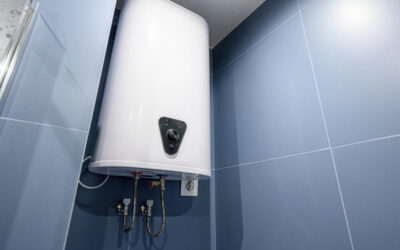
- Thermal expansion from your water heater: As water heats, it expands. In a “closed” system (common when a PRV or backflow device is present), that expansion has nowhere to go, so pressure climbs, especially after heating cycles. A failing or under-charged expansion tank makes this worse.
- Municipal pressure changes: Nighttime or off-peak periods can see higher incoming pressure, especially in neighborhoods with elevation changes.
- Fast-closing valves & water hammer: Appliances with quick shutoff solenoids (ice makers, washing machines, dishwashers) can cause momentary spikes. If you hear banging, you may need water-hammer arrestors or pressure correction.
- Well system issues (if applicable): On private wells, a pressure switch or bladder tank out of spec will cause cycling and irregular highs/lows.
Quick At-Home Checklist (Safe DIY)
- Step 1: Measure PSI. Attach a gauge to an outdoor spigot. Note idle pressure and then open a nearby fixture to see if pressure collapses under flow.
- Step 2: Check valves. Confirm the main shutoff and water heater valves are fully open. Check angle stops at problem fixtures.
- Step 3: Clean end-points. Remove and clean aerators and showerheads (vinegar soak). Reinstall and retest.
- Step 4: Filters & softener. Replace overdue whole-house filters. Verify the softener is not stuck in bypass or mid-regeneration.
- Step 5: Look for leaks. Turn off all water-using fixtures and appliances. Check your water meter: if the small leak indicator is spinning, you likely have a hidden leak.
- Step 6: Observe patterns. Is pressure low only during laundry/irrigation cycles? Do spikes happen after long hot water runs? Note timing—it’s gold for diagnosis.
If pressure is consistently over ~80 PSI (your gauge will tell you), stop there and call a pro. Excessive pressure can damage appliances, rupture supply lines, and void warranties.
Why It Flips Between Low and High
Intermittent problems often trace back to control components:
- A PRV that sticks can alternate between choking flow (low) and letting full street pressure through (high).
- A failing expansion tank allows pressure to creep up after heating, then drop once fixtures open.
- Debris in lines can intermittently lodge in cartridges or the PRV, causing swings until it moves again.
- Competing demand (irrigation timers, washing machines) steals flow without you noticing, then shuts off—so pressure “mysteriously” returns.
These on-again, off-again patterns are classic signs it’s time for a professional diagnostic.
When to Call a Professional (and What We Do)
Call Desert Drain Plumbing if you notice any of the following:
- PSI above ~80 or below ~40 despite basic checks
- House-wide problems (not just one faucet)
- Visible or suspected leaks, running meter, or a spike in your bill
- Water hammer (banging pipes), sudden surges, or scalding/temperature swings
- Old PRV (10+ years) or expansion tank with unknown charge/age
Our diagnostic approach typically includes:
- Verified pressure and flow testing at multiple points (static vs. dynamic)
- PRV testing and calibration (or replacement when worn)
- Expansion tank inspection and re-pressurizing/replacement as needed
- Fixture cartridge inspection and descaling
- Filter/softener review and maintenance corrections
- Leak detection, including slab-leak assessment if indicators are present
- System balancing and recommendations (e.g., hammer arrestors, repipe planning for severely scaled lines)
We’ll explain what we find in plain language, offer clear options, and respect your budget and schedule—because family-run service means we treat your home like our own.
Pro Tips to Keep Pressure Happy
- Service the PRV: Most last 7–15 years. If yours is older—or pressure is creeping—have it checked.
- Mind the expansion tank: The air charge should match your PRV setpoint (commonly around 50 PSI). Annual checks go a long way.
- Filter on a schedule: Mark your calendar for whole-house filter changes to prevent surprise slowdowns.
- Fight scale: Clean aerators/showerheads twice a year in hard-water areas. If buildup is constant, talk to us about softener settings or alternatives.
- Use braided stainless supply lines: They’re more resilient to pressure changes than old rubber lines.
Need Help Now?
If your water pressure is suddenly low, randomly high, or ping-ponging between the two, we can help you get back to steady, comfortable flow—and protect your fixtures while we’re at it.
Desert Drain Plumbing – Family-run. Integrity-driven. Serving the Phoenix area with fast diagnostics and friendly, professional repair.
Call or text today—480-930-1048
“Drains Cleared. Clogs Gone. Oasis Found.”