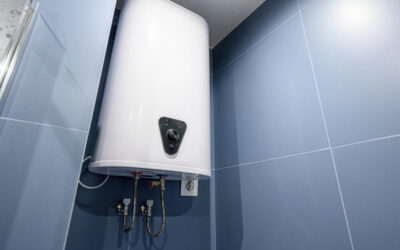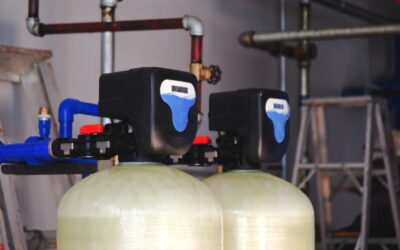


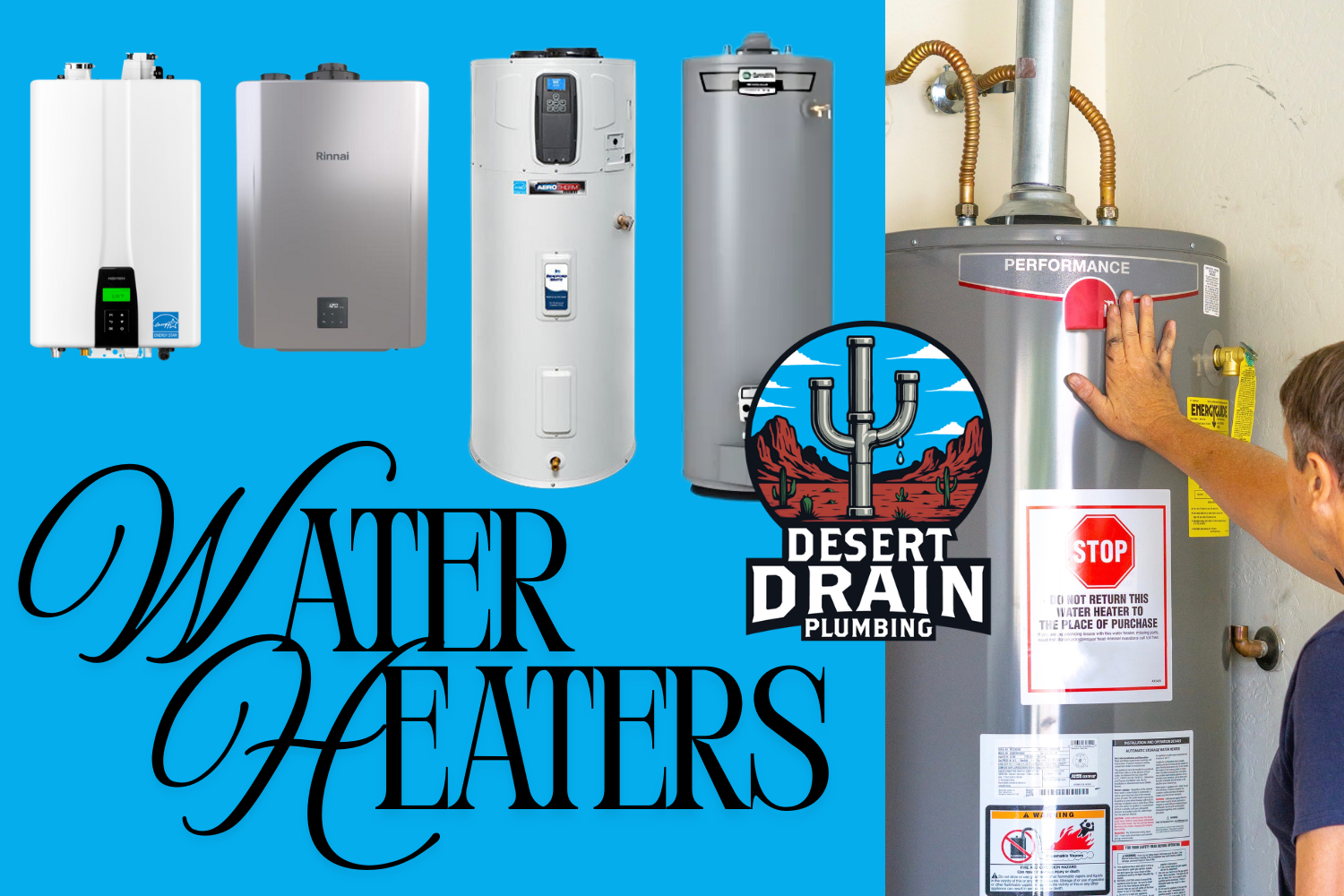
If you live in the Valley, hot water is a daily comfort you barely think about—until a shower runs lukewarm or the utility bill climbs. One question we hear all the time at Desert Drain Plumbing is: “Should I stick with a traditional tank water heater or go tankless?” The honest answer is: it depends on your home, your usage, and your goals. Below, we’ll break down how each option performs in Phoenix, where cold snaps are rare, incoming water is warmer, and hard water is a fact of life.
The Basics (Super Quick)
- Tank water heater (storage): Heats and stores a set amount of hot water—commonly 40–50 gallons—so it’s ready when you turn the tap. Simple, familiar, lower upfront cost.
- Tankless water heater (on-demand): Heats water only when you need it. No standby tank. Higher efficiency potential, compact size, higher upfront cost and more precise installation.
How Phoenix’s Climate Changes the Math
Unlike colder regions, Phoenix’s warmer incoming water means your heater doesn’t have to work as hard to raise the temperature. That’s a meaningful win for tankless units, because they’re sized by flow rate and temperature rise; a smaller temperature rise here can support more fixtures at once, improving performance and comfort. For tank units, warmer groundwater also helps—but tanks still lose energy keeping a big volume hot all day (standby loss). Since we’re not battling freezing temps, exterior-mounted tankless units are common here and can save space and simplify venting.
Utility Bill: Which One Saves More?
Tankless (gas): Tankless models use energy only when water is flowing. That typically cuts natural gas usage compared to a standard tank that cycles on and off to keep water hot. In real-world Phoenix homes, many customers see a noticeable drop in gas consumption after switching to a properly sized, properly installed tankless—especially in busy households that use a lot of hot water spread throughout the day. If your aim is gas savings over time, tankless usually has the edge.
Tank (gas or electric): Modern tanks can be quite efficient, but they still have standby losses. If your hot water use is modest (single or couple, fewer simultaneous uses), a high-quality tank can be very cost-effective, and the gas savings difference versus tankless may be smaller for you. Electric tanks can also be a fit depending on your home’s setup and utility plan, but many Phoenix homeowners prefer gas when available due to operating costs.
A note on electric tankless:
Electric tankless often demands significant electrical upgrades (very high amperage). In many Phoenix homes, that can make them less practical. If you’re electric-only and want high efficiency, consider a heat pump water heater (HPWH)—they’re impressively efficient in warm climates and can be a strong alternative to both standard electric tanks and electric tankless (though they have their own space, noise, and airflow requirements).
Upfront Cost & Retrofit Considerations
Tank:
- Lowest upfront cost.
- Straightforward replacement (often “like-for-like”).
- Minimal changes to gas lines, venting, or drainage if you’re staying with the same type and fuel.
Tankless:
- Higher upfront and installation costs.
- Frequently needs gas line upsizing to feed the higher BTU demand.
- Requires proper venting (or an exterior mount) and a condensate drain for high-efficiency (condensing) models.
- Great long-term choice if you plan to stay in the home, want energy savings, and value the “endless hot water” experience—provided it’s sized and installed correctly.
Hard Water: The Phoenix Reality
Phoenix has hard water, which can scale up any water heater and reduce efficiency and lifespan.
- Tankless heat exchangers are especially sensitive to scale. We strongly recommend a whole-home softener or at least a scale-inhibiting system, plus annual descaling service.
- Tanks also benefit from softening and regular maintenance (like flushing sediment).
Taking water quality seriously is one of the best ways to protect your investment—whichever system you choose.
Space, Location, and Noise
- Tankless units are compact and can be wall-mounted indoors or outdoors (very common here). Outdoor installs save interior space and simplify venting. Be sure the unit is protected from direct sun and occasional cold snaps; most have built-in freeze protection, but shading and proper placement matter.
- Tanks need floor space and can be heavy. If yours is in a garage or utility closet that you’d like to reclaim, tankless creates flexibility.
Hot Water Wait Times & Recirculation
One surprise with tankless is the “wait time” for hot water at distant fixtures. Because the heater fires only when you open the tap, you’ll still push out room-temperature water sitting in the lines.
Solutions:
- Demand-controlled recirculation pump: Activated by a button or motion sensor. It moves hot water to the far fixture only when you need it, minimizing wasted energy.
- Continuous recirculation (always circulating) is generally not ideal with tankless because it reduces efficiency benefits. If you want continuous recirc for comfort, a high-efficiency tank might be a better match.
Capacity, Sizing & Lifestyle Fit
Tank:
- Great if you’re used to a certain tank size and it meets your needs.
- If you have back-to-back showers, a big tub, or frequent guests, you might consider upsizing or moving to tankless.
Tankless:
- Delivers “endless” hot water, but only if sized correctly for your simultaneous uses (showers, laundry, dishwasher).
- Phoenix’s warmer incoming water helps tankless supply multiple fixtures more comfortably than in colder climates.
- If you love long showers or have a soaking tub, tankless is often a lifestyle upgrade.
Longevity & Maintenance
- Tankless often has a longer service life than standard tanks when maintained (descaling, filter cleaning, combustion checks).
- Tanks are simpler but generally have a shorter lifespan. Routine flushing and anode inspections help.
What About Solar?
If you have solar PV, a heat pump water heater can leverage daytime solar production for extremely low operating costs. If you prefer gas, tankless pairs well with solar PV too: it uses energy only when needed, which can help you optimize overall household consumption.
So…Which Is Better for Your Home and Bill?
Here’s a quick Phoenix-oriented guide:
You want the lowest upfront cost, a straightforward swap, and reliable hot water: Choose a high-quality tank (gas if available). Add regular maintenance and consider a softener or scale inhibitor.
You take long showers, have a big tub, or a larger household with overlapping hot water use; you’ll be in the home for years; you want lower gas usage over time: Go tankless (gas). Make sure it’s properly sized, consider a demand recirculation setup for comfort, and protect it with softening and annual descaling.
You’re electric-only and want efficiency without major panel upgrades: Explore a heat pump water heater. In our hot climate, the efficiency is compelling.
Rental or short-term ownership horizon: A tank often makes the most financial sense due to lower initial cost and simpler servicing.
Our Local Take
Because cold isn’t a big issue here, Phoenix is a great market for gas tankless—especially for families or anyone who values back-to-back hot water with less gas usage. That said, many homeowners are perfectly happy (and cost-savvy) with a well-chosen tank replacement. The best choice balances your usage, fuel type, space, budget, and how long you’ll stay in the home.
If you’d like, Desert Drain Plumbing can:
- Evaluate your current setup (gas line size, venting, water quality)
- Run a quick usage profile (fixtures, simultaneous demand)
- Price out both options side-by-side, including maintenance plans and any recirculation comfort upgrades
Bottom line: In Phoenix, tankless often wins for long-term gas savings, continuous hot water, and space savings—if it’s sized and installed correctly and protected from scale. High-quality tanks remain a smart, budget-friendly solution that’s easy to maintain and replace. Either way, we’ll help you pick the right fit for your home and utility bill.