

If you’ve ever started a load of laundry and walked past the bathroom to find water bubbling up in your tub, you already know it’s unsettling. The washing machine is in a completely different room, sometimes on a different floor, so it feels like the two shouldn’t have anything to do with each other. But they do, and the reason comes down to how your home’s drain system is actually built.
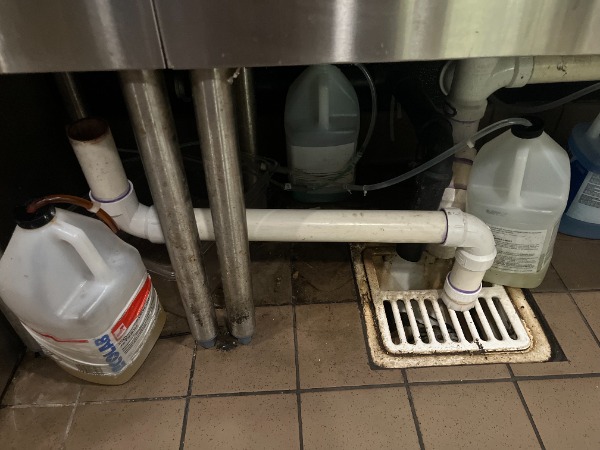
Most homes don’t give every fixture its own private pipe running straight outside. Instead, several fixtures tie into the same branch line, which eventually connects to your main sewer line. Your washing machine, your bathroom sink, and your tub are often sharing more plumbing than most homeowners realize. When that shared line has a blockage somewhere downstream, the water from your washer has nowhere to go but back up through the nearest low point in the system. In a lot of homes, that low point is the bathtub drain. This is one of the most common reasons homeowners in Mesa end up calling for drain cleaning in Mesa, AZ, and once you understand the plumbing behind it, the fix makes a lot more sense.
How Your Washer and Your Tub End Up Sharing the Same Drain Path
Every drain fixture in your house sits at a certain height, and every drain pipe is sloped to move water downhill toward the main line using gravity. Your bathtub drain usually sits lower than your washing machine’s standpipe. When a clog forms in the branch line that both fixtures empty into, the washer keeps pumping out water during its drain cycle, and that water has to go somewhere. Since it can’t get past the clog, it backs up through the pipe and comes out at whichever fixture sits at the lowest, most accessible point. For a lot of floor plans, that’s the tub.
This is different from a tub that’s draining slowly on its own. A slow tub usually points to a clog right at or near the tub drain itself, something like hair and soap buildup in the trap. Water rising in the tub specifically when the washer is running points to a blockage further down the line, somewhere between the point where the washer connects and the main sewer line.
What’s Usually Causing the Blockage
A few things commonly cause this kind of downstream clog, and they show up differently depending on the age and type of plumbing in your home.
Lint and fabric buildup. Washing machines push out a surprising amount of lint, fibers, and detergent residue with every cycle. Over years, this material can combine with grease from kitchen drains (if they share a line) or soap scum from bathroom fixtures and start narrowing the pipe.
Root intrusion. In older neighborhoods with mature trees, roots can find their way into small cracks or joints in clay or older PVC sewer lines and grow inside the pipe, catching debris and slowing everything behind it.
Pipe scale from hard water. Groundwater in much of the East Valley and Pinal County, including Mesa, tends to run hard, meaning it carries a higher mineral content. Over time, mineral deposits can build up along the interior walls of pipes, narrowing the usable space and giving lint and debris something to cling to.
Collapsed or bellied pipe sections. Mesa sits on soil with expansive clay content in parts of the area, which can shift slightly with moisture changes. That shifting can cause a section of pipe to sag or shift out of its proper slope, creating a low spot where debris collects instead of flowing through.
Old or mismatched pipe materials. Some sections of Mesa have grown out from older rural properties that were originally built with different plumbing standards than the newer subdivisions around them. Where older galvanized or clay pipe sections connect to newer PVC lines, the transition point can be a common spot for buildup to start, since the interior diameter and surface texture change at that joint.
Newer Mesa Homes Aren’t Automatically Immune to This Problem
It’s easy to assume backup issues are mostly a problem for older homes, but Mesa has grown fast, and a lot of that growth has happened on decomposed granite and caliche soil. Caliche is a hardened, calcium-carbonate-rich layer common in Arizona desert soil, and it doesn’t drain or shift the same way regular soil does. During construction, trenching through caliche can sometimes lead to pipe sections that don’t settle evenly, and any settling that happens later can affect the slope of the drain line. That means even homes built in the last decade aren’t automatically immune to blockages caused by shifted or bellied pipe.
Why a Plunger or Store-Bought Drain Cleaner Won’t Solve This One
When water is rising in the tub because of a clog somewhere else in the system, working on the tub drain itself doesn’t address the actual problem. A plunger creates pressure at the fixture where you’re using it, but if the blockage is several feet down the branch line, that pressure never reaches it.
Liquid drain cleaners come with a similar issue, along with an added risk. These products are designed to break down clogs close to the drain opening, not clear a blockage located deep in a branch or main line. Pouring more down the tub or washer drain typically adds chemical-laden water to the backup that’s already happening, and repeated use of these products can damage certain pipe materials over time.
What to Do the Moment You Notice It Happening
If you catch water rising in the tub while the washer is running, a few quick actions can limit the mess while you wait for a technician.
Stop the washing machine’s cycle right away if you can. Most machines let you pause mid-cycle, which stops additional water from being pumped into a line that’s already backed up. If the washer has already finished draining and the water is sitting in the tub, avoid running any other water in the house, including sinks or showers, until the blockage is cleared. Adding more water only gives the backup more volume to work with.
It also helps to note a few details before calling for service: which fixtures are affected, whether the water has any odor, and whether this has happened before. That information helps a technician figure out roughly where the clog sits before they even arrive, which can shorten the time it takes to diagnose the problem on-site.
How a Professional Clears This Type of Clog
The right approach starts with figuring out exactly where the blockage is sitting instead of guessing based on symptoms alone.
Drain Snaking
Drain snaking is usually the first line of defense for this kind of blockage. A drain snake, also called a plumbing auger, is a flexible cable that’s fed into the pipe until it reaches the clog. The cable either breaks up the blockage or hooks onto it so it can be pulled out, restoring the pipe’s original diameter. For lint, soap buildup, and most soft blockages, snaking clears the line effectively.
Camera Inspection
For blockages that keep coming back or that seem tied to root intrusion or a shifted pipe section, a camera inspection lets a technician see inside the line and identify the exact cause and location of the problem. This step prevents repeat service calls for the same issue and helps determine whether snaking will be enough or whether a section of pipe needs further attention.
Hydro Jetting
For heavier buildup, especially buildup caused by grease, mineral scale, or years of accumulated debris, high-pressure water jetting scours the interior of the pipe more thoroughly than a cable alone. This method is often used after a camera inspection confirms the pipe itself is structurally sound and needs a full clean-out rather than repair.
Signs This Is More Than a Simple Clog
A few signs point to something more involved than a routine blockage, and they’re worth paying attention to:
- Water backs up in multiple fixtures at once, not the tub alone
- Gurgling sounds coming from drains that aren’t currently in use
- Backups that keep happening within days or weeks of being cleared
- Sewage odor around the yard or near a cleanout access point
Any of these point toward a deeper issue in the main line rather than a localized clog, and they’re worth having looked at sooner rather than later, since backups that keep recurring usually mean the underlying cause hasn’t been fully addressed yet.
Frequently Asked Questions
- Is it safe to keep running my washing machine if this is happening?
It’s best to pause laundry loads until the blockage is cleared, since continuing to run water through a backed-up line can push contaminated water further into your tub or onto your bathroom floor.
- Does this always mean I have a sewer line problem?
Not necessarily. Many cases are a straightforward clog in the shared branch line between the washer and tub, which snaking resolves without any sewer line work being needed.
- How can I tell if the clog is near the tub or further down the line?
If only the tub is affected and it drains fine on its own between laundry loads, the issue is likely tied to the shared branch line rather than the tub drain itself, which is a good detail to mention when you call for service.
- Can I prevent this from happening again?
Routine drain cleaning on shared branch lines helps reduce lint and buildup before it becomes a full blockage, and a camera inspection can catch early signs of root intrusion or pipe shifting before they cause a backup.
Getting Your Drain Line Checked Out
Water showing up in your tub during a laundry cycle is a clear signal that something in your shared drain line needs attention, and it’s not something a plunger or a bottle from the store is built to fix. Desert Drain Plumbing LLC is a family-owned and operated, faith-based plumbing company serving Mesa, and we know the local soil and pipe conditions that tend to cause this kind of backup. We offer 24/7 emergency plumbing service for backups that can’t wait, along with fast same-day service for less urgent calls. If you’d like a technician to take a look, we provide a free in-person quote before any work begins, and financing is available if the job turns out to need more than a simple cleaning. Reach out to us and let’s get your drain line sorted out.