

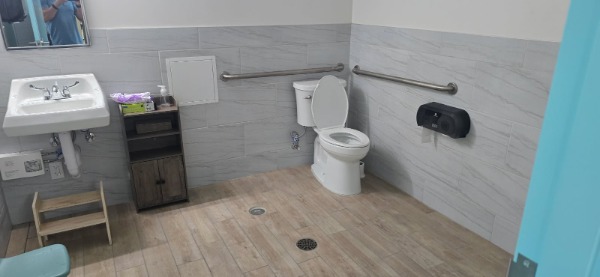
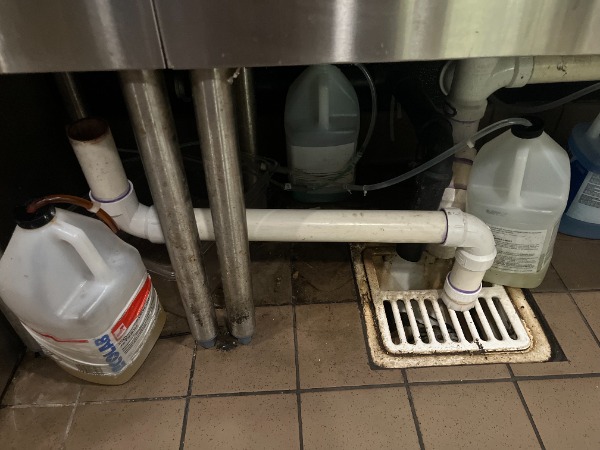
Water backing up out of a basement floor drain is not a small mess to mop up and forget about. When water rises out of that drain instead of going down it, it usually means something is blocking the sewer line between your house and the city main, and the wastewater has nowhere else to go. That floor drain sits at the lowest point in your plumbing system, so it is often the first place a clog shows itself, even if the real problem started somewhere else in the line.
This kind of backup is different from a slow bathtub drain or a gurgling toilet. It points to a blockage in the main sewer line, not just one fixture. We handle drain cleaning in Mesa, AZ every week, and floor drain backups are one of the calls we take seriously because of how fast they can spread water and waste into a finished basement, garage, or utility room. Here is what causes it, how to tell how serious it is, and what to do next.
What a Floor Drain Backup Actually Means
A basement floor drain connects to the same sewer line as your toilets, sinks, and washing machine. That line runs downhill from your house to the city sewer main or your septic tank. When everything is clear, wastewater flows down and away without any trouble.
When something blocks that line, water and waste still have to go somewhere. Since the floor drain is usually the lowest opening in the house, it becomes the exit point. Water pushed back by a clog will rise out of the floor drain before it backs up into a toilet or shower on a higher level. This is why a flooded floor drain is often the earliest warning sign of a full sewer line obstruction, even before other fixtures show a problem.
Common Causes of a Blocked Main Sewer Line
Several things can block a main line enough to cause a floor drain backup:
Grease and soap buildup. Grease poured down kitchen sinks does not stay liquid once it cools. It sticks to the inside of pipes and traps other debris until the line narrows enough to slow or stop flow.
Flushed wipes and paper products. Baby wipes, paper towels, and “flushable” wipes do not break down the way toilet paper does. They can snag on rough spots inside older pipes and build into a solid mass.
Tree root intrusion. Tree roots search out moisture, and a sewer line with even a hairline crack or a loose joint is an easy target. Roots can grow into the pipe and eventually fill it, especially in older cast iron or clay lines.
Pipe collapse or misalignment. Older sewer lines made of clay, cast iron, or Orangeburg pipe can shift, crack, or collapse over time. A collapsed section blocks flow completely and usually causes a backup at the lowest drain first.
Sagging or bellied pipe sections. A section of pipe that has settled and formed a low spot, sometimes called a belly, collects standing water and solids. Over time this buildup narrows the pipe until it blocks normal flow.
How to Tell the Difference Between a Simple Clog and a Sewer Obstruction
Not every slow drain means the whole sewer line is blocked. Here is how the two situations usually look different.
A single fixture clog, like a slow bathroom sink or a gurgling toilet, usually affects only that one fixture. Everything else in the house drains normally.
A main line obstruction usually affects multiple fixtures at once, especially the lowest ones in the house. If you flush a toilet and water rises in the shower or floor drain, or if running the washing machine causes the floor drain to bubble or overflow, that is a sign the blockage is in the main line rather than in one branch pipe.
Sewage odor coming from the floor drain, gurgling sounds from multiple drains at the same time, or water backing up in more than one location are all signs pointing to a main line problem rather than an isolated clog.
Why a Flooded Floor Drain Is an Emergency
A blocked main sewer line does not resolve itself, and the water coming up through a floor drain is not clean water. It carries wastewater from toilets, sinks, and appliances throughout the house. Standing wastewater in a finished basement can damage flooring, drywall, insulation, and anything stored on the floor.
The Environmental Protection Agency classifies sewage backups as a category of water damage that requires prompt cleanup because of the bacteria and contaminants present in wastewater. The longer sewage sits, the more it soaks into porous materials like carpet, drywall, and subflooring, which increases both the cleanup difficulty and the health risk to people in the home.
This is why a flooded floor drain calls for a fast response rather than a wait-and-see approach. Every hour the blockage stays in place is another hour of wastewater with nowhere to go.
What to Do When You Notice a Flooded Floor Drain
If you notice water rising from a basement floor drain, a few immediate steps can limit the damage while you wait for a plumber.
Stop using water in the house. Every toilet flush, shower, or load of laundry adds more water to a system that already cannot drain properly, which makes the backup worse.
Move anything you can off the floor near the drain, including boxes, furniture, and electronics. Wastewater can carry bacteria, so avoid direct contact with the water and keep children and pets away from the area.
Do not pour chemical drain cleaners into the floor drain. These products are designed for single-fixture clogs close to the drain opening, not blockages deep in a main sewer line, and they can create a hazardous situation if the line needs to be opened up by a technician.
Call a licensed plumber who can diagnose the exact location and cause of the blockage. This usually starts with drain snaking to clear the immediate obstruction, followed by a camera inspection if root intrusion, a pipe collapse, or a bellied section is suspected.
How Professionals Diagnose and Clear a Main Line Obstruction
Clearing a main sewer line blockage usually starts with drain snaking, which uses a flexible cable with a cutting or auger head to break through the clog and restore flow. For grease buildup, paper product blockages, and many root intrusions, snaking is often enough to get water moving again.
If snaking clears the immediate blockage but the problem keeps coming back, a camera inspection helps identify what is really going on inside the pipe. A camera can show root intrusion, a cracked or collapsed section, or a bellied area that collects debris. Knowing the exact cause and location determines whether the fix is repeat maintenance, a spot repair, or a full line replacement.
Preventing Future Floor Drain Backups
A few habits reduce the chances of another sewer line blockage:
Avoid pouring grease, oil, or food scraps down kitchen drains. Let grease cool in a container and throw it away instead.
Only flush toilet paper. Wipes, paper towels, and feminine hygiene products should go in the trash even if the packaging says “flushable.”
Schedule periodic drain cleaning, especially if your home has older clay or cast iron sewer piping, mature trees near the sewer line, or a history of backups. Regular maintenance can catch a partial obstruction before it turns into a full backup.
Ask about a camera inspection if you are buying an older home or have had more than one backup in the past year. Knowing the condition of the sewer line ahead of time can save a lot of trouble later.
Property managers and landlords in Mesa managing multiple units or a rental property should also keep a record of any past drain issues at each property. A pattern of repeat backups at the same address usually points to a structural issue in the line rather than tenant behavior, and catching that early helps avoid repeat emergency calls.
FAQ
- Can I clear a sewer line blockage myself?
A plunger or basic drain cleaning product might help with a clog close to a single fixture, but a main line obstruction usually needs drain snaking equipment that reaches much farther into the pipe than household tools can.
- How do I know if the blockage is in my line or the city’s line?
If the backup affects only your property and your neighbors are not having the same issue, the blockage is likely in your own sewer lateral. A plumber can confirm this with a camera inspection.
- Will homeowners insurance cover a sewer backup?
Coverage varies by policy, and many standard homeowners policies exclude sewer backups unless you have added a specific endorsement, so it is worth checking your policy details or asking your insurance provider directly.
- How often should a home’s main sewer line be cleaned?
This depends on the age of the piping, the presence of trees near the line, and past backup history, but homes with older pipes or recurring issues often benefit from cleaning every one to two years.
Get Help Fast When a Floor Drain Backs Up
A flooded basement floor drain is not something to wait out. If you are seeing water rise from a floor drain in Mesa or the surrounding area, we are available for 24/7 emergency plumbing service to get the blockage identified and cleared. As a family-owned and operated, faith-based plumbing company, we offer a free in-person quote, financing options, and fast same-day service so you are not left waiting with wastewater in your home. Reach out to us at Desert Drain Plumbing LLC and let us help you get the situation under control.