

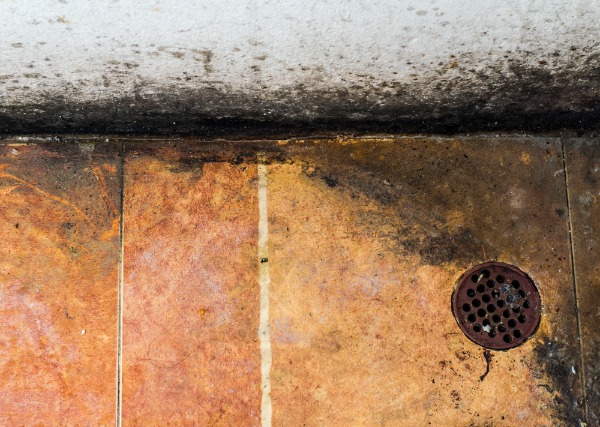
If you have noticed a bad smell near your yard, a soggy patch of grass that never dries out, and a toilet or drain that keeps backing up, it is fair to wonder if these are three separate problems or one bigger issue. In most cases, they are connected. All three symptoms can trace back to a single damaged sewer line running underneath your property.
Understanding how these signs relate to each other can save you time, guesswork, and unnecessary repairs. Desert Drain Plumbing LLC works with homeowners, landlords, and property managers across Mesa who are dealing with this exact combination of symptoms, and the pattern is common enough that it points to a clear cause: a break, crack, or collapse somewhere along the sewer line. This is why sewer line repair in Mesa, AZ often starts with figuring out where the damage sits, rather than only treating whichever symptom showed up first.
What Sewer Odors, Wet Spots, and Backups Actually Mean
Each of these signs tells you something different about what is happening underground, but they often share the same root cause.
A sewer odor near your yard, foundation, or drains usually means gas is escaping somewhere it should not be. Sewer lines are designed to carry waste and gas safely to the municipal main. When a pipe cracks or a joint separates, gas finds a new path out through the soil or back up through a drain.
A wet spot in your yard that will not dry, especially one that smells or grows greener grass than the area around it, often means wastewater is leaking into the soil instead of moving through the pipe. This is different from a sprinkler leak or a naturally soggy area, because it tends to appear along the path where the sewer line runs from your home to the street.
A backup, whether it is a toilet that gurgles, a shower that drains slowly, or wastewater coming up through a floor drain, usually means something is blocking flow inside the pipe. That blockage can come from a collapsed section, roots that have grown into a crack, or years of buildup at a damaged joint.
How One Damaged Line Can Cause All Three at Once
A single crack, offset joint, or partial collapse can create every one of these symptoms depending on where it sits and how it has developed over time.
Here is the general sequence technicians look for. A pipe develops a crack or a joint pulls apart, often from ground movement, age, or root intrusion. Gas begins escaping through that opening, which is why odor is frequently the first sign homeowners notice. As the crack widens or debris collects at the damaged spot, wastewater starts seeping into the surrounding soil, creating a wet spot above or near the pipe’s path. Over time, the same damage that is letting gas and water escape is also narrowing the space inside the pipe, which is what leads to slow drains and eventual backups.
Because these three symptoms can show up at different times, it is common for a homeowner to deal with an odor for weeks, then notice a wet patch in the yard, and only call a plumber once a backup makes the problem impossible to ignore. By that point, the damage has usually had time to worsen.
Why This Pattern Shows Up Often in Mesa
Local soil and infrastructure conditions play a real role in how sewer lines age and fail.
Soil Movement and Caliche
Much of the Phoenix metro area, including Mesa, sits on soil with a hard, calcium-carbonate layer known as caliche. This layer does not compact or shift the same way ordinary soil does, and it can create uneven pressure on buried pipes, particularly where the soil composition changes along the line’s path. Over years, that pressure can stress joints and create the kind of small cracks that eventually turn into the odor, wet spot, and backup pattern described above.
Home Age and Pipe Material
Neighborhoods built several decades ago in Mesa may still have original clay or older cast iron sewer lines. These materials are more prone to joint separation and root intrusion than the PVC piping used in newer construction. If your home was built before more recent plumbing codes took effect, an aging line is a reasonable place to start looking when these symptoms appear.
Root Intrusion from Desert Landscaping
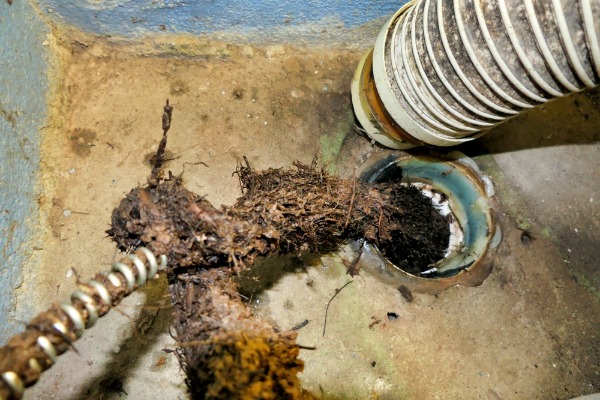
Even in a desert climate, tree roots seek out moisture, and a sewer line carrying wastewater is a reliable moisture source. Roots from mesquite, palo verde, and other established landscaping can find their way into small cracks and expand them from the inside, which is a common contributor to both wet spots and backups.
Residential Sewer Line Repair vs. Commercial Sewer Line Repair
The symptoms are similar for homes and businesses, but the scale and stakes are different.
Residential sewer line repair typically involves a single line serving one household, which means the odor, wet spot, or backup usually points to one clear source. Homeowners can often narrow down the likely location based on where the wet spot or smell is strongest.
Commercial sewer line repair often involves a larger system serving multiple units, restrooms, or tenants, with more waste volume moving through the line daily. A damaged section on a commercial property can affect several businesses or tenants at once, and higher usage means blockages and backups tend to develop faster once a line is compromised. Property managers dealing with recurring backups across multiple units should treat that pattern as a sign to look at the shared line rather than each fixture individually.
What to Do When You Notice These Signs
The right first step is confirming where the damage actually is, rather than guessing based on symptoms alone.
A camera inspection is the most reliable way to see inside the pipe and locate a crack, offset joint, or blockage without digging up the yard first. This also helps determine whether the issue is isolated to one section or spread across a longer stretch of pipe.
If you notice a wet spot, avoid running extra water into that drain or fixture until the line has been checked, since added flow can push more wastewater into the surrounding soil. If you notice an odor without an obvious backup yet, do not wait for a backup to confirm the problem. Odor alone is often the earliest and cheapest stage to catch, and repairing damage at this stage is generally more contained than waiting until a backup forces the issue.
Sewer Main Repair, Pipe Lining, or Full Replacement
Once the damage is located, the repair method depends on how extensive it is and what condition the rest of the line is in.
For an isolated crack or joint separation, a targeted sewer main repair on that specific section may be enough, especially if the rest of the line is in reasonable condition. This approach addresses the damaged spot without disturbing the entire pipe run.
For lines with root intrusion or multiple weak points along their length, sewer pipe line repair using trenchless methods can address damage without full excavation in many cases, depending on the pipe’s condition and accessibility. This method involves inserting a new liner inside the existing pipe to seal cracks and restore a clear interior surface.
For pipes that are significantly deteriorated, collapsed, or made of outdated materials that keep failing at multiple points, sewer pipe replacement or full sewer replacement may be the more practical long-term option rather than repeatedly repairing the same aging line.
Permits and Timing for Sewer Line Work
Sewer line repair and replacement that involves excavation or work on the main line typically requires a permit from the city, since these lines connect to the municipal sewer system. A licensed plumbing contractor generally handles this step as part of the repair process, which is worth confirming before any digging begins on your property. Timing also matters in Mesa, since summer monsoon storms can saturate soil and make excavation more difficult, so scheduling repairs before or after the heaviest rain months can make the work more straightforward for both spot repairs and full line replacement.
Getting a Professional Diagnosis
Because the same three symptoms can stem from different causes and different locations along the line, an accurate diagnosis matters more than treating whichever symptom is most noticeable. Sewer repair that starts with a proper inspection tends to address the actual source rather than masking it temporarily.
Desert Drain Plumbing LLC diagnoses these issues with camera inspection before recommending a repair method, so property owners in Mesa know what is actually happening underground before deciding how to move forward.
Frequently Asked Questions
- Can a sewer smell come and go if the line is damaged?
Yes. Gas escape can vary depending on water usage, temperature, and how much wastewater is moving through the damaged section at a given time, which is why the smell may not be constant.
- Is a wet spot in the yard always a sign of a sewer line problem?
Not always, since sprinkler leaks and drainage issues can create similar spots, but a wet area that smells or sits along the sewer line’s path is worth having inspected.
- How is a damaged sewer line located without digging up the whole yard?
A camera inspection run through an access point in the line shows technicians the exact location and type of damage, which is why most sewer line repair starts this way.
- Do older Mesa homes need sewer line repair more often?
Homes with original clay or cast iron lines are generally more prone to joint separation and root intrusion than homes with newer PVC piping, so age and pipe material are worth checking.
Ready to Find the Source of the Problem
If you are noticing any combination of sewer odor, a wet spot that will not go away, or a backup that keeps returning, Desert Drain Plumbing LLC can help you find out what is actually happening underground. As a family-owned and faith-based plumbing company, we offer 24/7 emergency plumbing service for situations that cannot wait, along with fast same-day service when you need answers quickly. We also provide a free in-person quote so you know what you are dealing with before any work begins, and financing is available for repairs that need to happen sooner rather than later. Reach out to us to get a clear picture of your sewer line’s condition and the options available to fix it.