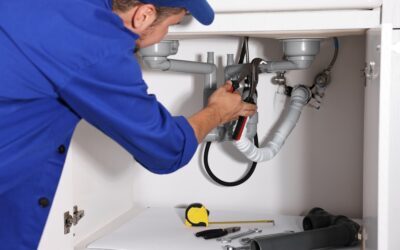


A quarterly plumbing inspection is a scheduled visit, four times a year, where a plumber checks the parts of each property’s plumbing that tend to fail slowly and quietly. That includes water pressure, the water heater, drains and cleanouts, toilets and supply lines, shutoff valves, and any backflow preventer on the irrigation or main line. For property managers, the value goes beyond catching leaks early. Regular visits turn plumbing from a string of unplanned tenant calls into scheduled work you can plan and budget for. Each visit also produces a written record you can share with owners and refer back to between turnovers. Below, our team at Desert Drain Plumbing LLC, a commercial plumber in San Tan Valley, AZ, walks through what each visit should cover and what a maintenance plan for a managed portfolio should spell out.
Water Pressure, Shutoff Valves, and the Pressure Regulator
Many homes have a pressure-reducing valve (PRV) near the spot where the main water line enters. It lowers the pressure coming from the utility main to a level your fixtures can handle. Over time, the spring and diaphragm inside wear out, and household pressure starts to creep up. Plumbing codes generally cap static pressure inside a building at 80 psi. Above that, faucets drip, toilet fill valves hiss, and the hoses on washers and ice makers stay under constant strain.
At each visit, the plumber attaches a gauge to an outdoor spigot and writes down the reading. Tracking that number from one quarter to the next shows when a PRV is starting to drift, long before it fails outright.
The plumber should also turn the main shutoff and the small stop valves under sinks and behind toilets. Valves that sit untouched for years can seize in the open position. You want to learn that on an inspection day, not when a tenant calls about water spraying from a broken line.
Water Heater Condition and Safety Checks
San Tan Valley relies heavily on groundwater, and regional estimates place water in this part of Pinal County in the “very hard” range. Hard water carries dissolved minerals, mostly calcium and magnesium. When water heats up inside a tank, those minerals settle to the bottom as sediment. You may hear popping or rumbling, and the heater takes longer to recover after showers.
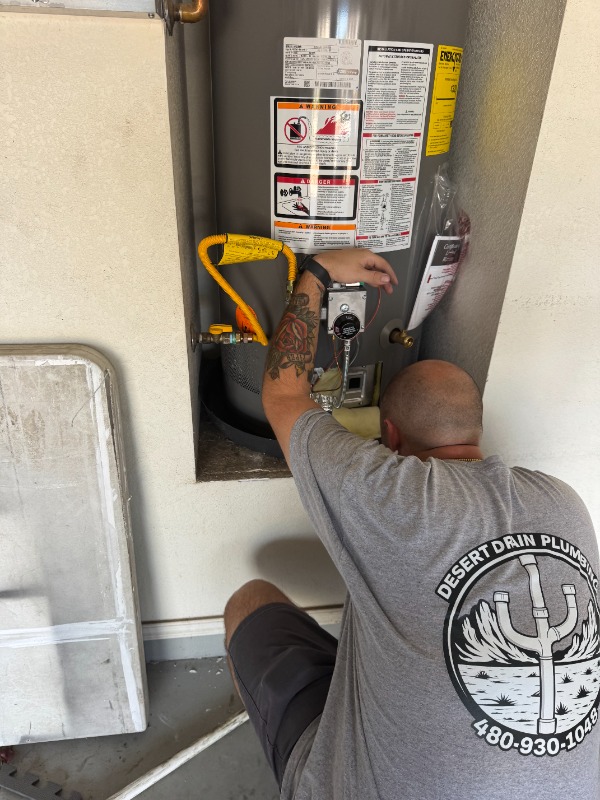
A quarterly check on a tank water heater usually covers:
- Signs of rust or moisture at the base, fittings, and pipe connections
- The drain pan and its drain line, which should be clear and pointed somewhere safe
- The temperature and pressure relief (T&P) valve, a safety valve that opens if the tank gets too hot or too pressurized; if it will not open or will not reseat, it gets replaced
- The expansion tank, if the home has one
- Venting on gas units, including loose connections or scorch marks near the burner
- The temperature setting; the U.S. Department of Energy suggests 120°F, which lowers scald risk for tenants and cuts energy use
Most manufacturers recommend flushing a tank at least once a year. With hard water, the plumber may suggest checking the anode rod (a metal rod that draws corrosion away from the tank walls) more often than the manual lists. Tankless heaters need a periodic descaling of the heat exchanger, on the schedule the manufacturer sets.
Drains, Sewer Lines, and Cleanouts
Tenants often live with a slow drain for months without mentioning it. During an inspection, the plumber runs water at every sink, tub, and shower and notes which ones drain slowly. A gurgling sound after a toilet flushes can point to a partial blockage or a vent problem on the roof.
The plumber should also find the sewer cleanout, a capped pipe outside the home that gives access to the main line. In desert-landscaped yards, cleanouts often end up buried under rock or hidden behind plants. A missing or cracked cap lets debris and pests into the line. Keeping the cleanout visible and sealed means a crew can reach the line fast if it ever backs up.
In duplexes and small multi-unit buildings, several units often share one main sewer line. A clog there can back up into whichever unit has the lowest drain, even if that tenant did nothing to cause it. This is one of the ways commercial plumbing differs from a single-family home: one blockage can affect several tenants at once. That makes checking the main line and its cleanouts a priority at every visit.
A slow kitchen drain in a rental usually points to grease and food waste. Catching it early means a routine cleaning instead of a backup that soaks cabinets.
Toilets, Supply Lines, and Hidden Leaks
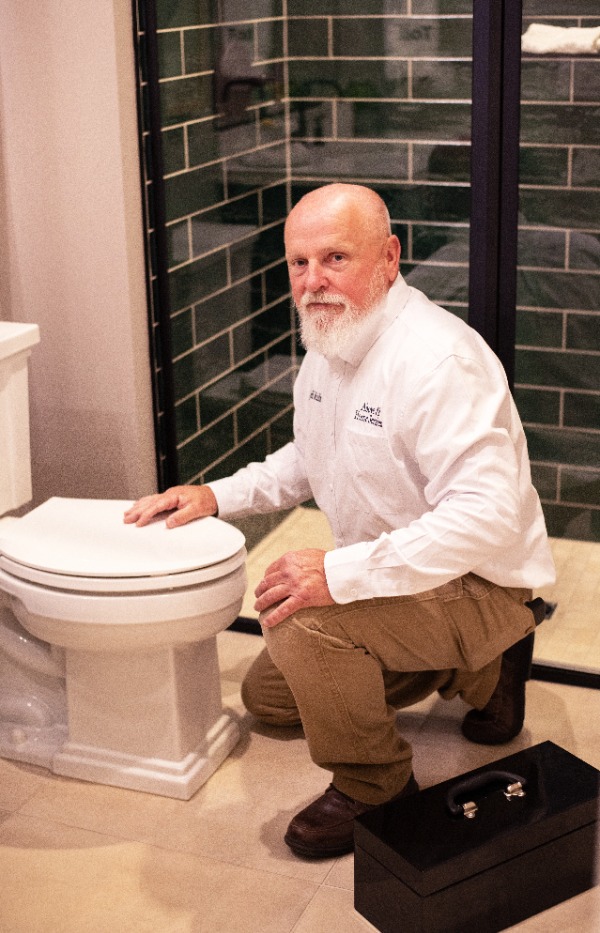
A running toilet is one of the most common water wasters in rentals, and tenants who don’t pay the water bill may not notice. The plumber can do a dye test: add a few drops of food coloring to the tank, wait about 10 minutes without flushing, and check the bowl. Color in the bowl means the flapper is leaking. A toilet that rocks on the floor may have a failing wax ring, which can let water seep into the subfloor.
Under each sink, the plumber looks at the flexible supply lines. Braided lines that bulge, kink, or show rust near the crimped ends should be swapped out.
The water meter offers one of the best leak checks available. With every fixture turned off, the plumber watches the meter’s leak indicator, a small dial or triangle on the face. If it moves, water is going somewhere. Homes built on concrete slabs, which are common across the East Valley, can hide a leak under the floor for a long time. The meter is often the first clue.
Backflow Preventers and Irrigation Connections
A backflow preventer is a valve assembly that stops water from your property’s plumbing, such as irrigation water, from flowing back into the public supply. Under Arizona rules, public water systems must require these assemblies where there is a risk of contamination. The state’s Department of Environmental Quality requires those assemblies to be tested at least once a year by a certified backflow tester, plus after any installation, repair, or relocation.
A quarterly visit does not replace the annual test, but it does help. The plumber checks the assembly for leaks, sun damage, and missing covers, and keeps track of when the annual test is due. Your water provider can tell you whether a property has a required assembly on file.
Drip irrigation is common in desert yards, and its leaks are easy to miss. The plumber looks for soggy spots, standing water in valve boxes, and emitters that are running constantly.
Matching Each Visit to the Season
Quarterly visits work well because they line up with the seasons. Not every item needs the same attention each time.
In spring, before summer heat and heavy watering, focus on irrigation, outdoor spigots, and the backflow assembly. In summer, check the water heater and, if the property has one, the supply line and float valve on an evaporative cooler. In fall, look at exposed outdoor pipes and add insulation before the few cold nights we get. In winter, schedule the annual heater flush and book the backflow test.
Coordinating Inspections With Tenants
Arizona’s Residential Landlord and Tenant Act generally requires two days’ notice before entering a unit for inspections or repairs. When you manage several properties, it helps to set a fixed inspection window each quarter and send all notices at once. That way the plumber can cover your units on one planned route instead of making scattered trips.
A week before the visit, send tenants a short questionnaire. Has anything been dripping or running? Is any drain slow? Have you noticed any odd smells? Tenants often know about small problems but don’t think they are worth a maintenance request.
After each visit, ask for a separate report for each unit or building. A useful report lists what was checked, the pressure and meter readings, photos of anything worn or leaking, and findings sorted by urgency. Reports organized by property make it easier to pass findings to owners and support repair approvals. They also help you spot patterns across a portfolio, such as the same water heater model wearing out early in several units.
What a Maintenance Plan Agreement Should Spell Out
Before you sign any maintenance plan, read the scope closely. For a managed portfolio, it should state how often visits happen, what the plumber checks each time, which small repairs are included, and what gets billed separately. It should also explain whether pricing is per unit or per building, who approves repairs above a set dollar amount, how reports are delivered, and how emergency calls between visits are handled.
Larger properties with shared water heaters, several meters, or grease interceptors fall under commercial plumbing work and usually need a longer checklist than a single-family rental. Whatever the property, the work should be done by a licensed commercial plumber. In Arizona, plumbing contractors are licensed through the Registrar of Contractors, and you can look up a company’s license status on the Registrar’s website before you hire.
Common Questions About Quarterly Plumbing Inspections
Does every property in a portfolio need quarterly visits?
Not always. Older homes, properties with hard-water scale problems, and units with frequent turnover benefit most from quarterly visits. Newer units with long-term tenants may do fine with two visits a year, so using different schedules within one portfolio is a reasonable approach.
Can tenants handle any of these checks themselves?
Tenants can report drips, running toilets, and slow drains, and some can do a dye test. Testing the T&P valve, checking gas venting, and testing backflow assemblies should be left to a plumber.
Should I share inspection reports with property owners?
Yes. Dated reports with photos show owners what was found and why a repair is recommended. They also document a unit’s condition at move-in and move-out, which helps with deposit disputes and insurance claims.
Get Your Property on a Quarterly Inspection Schedule With Desert Drain Plumbing
If you would like a set inspection schedule for the properties you manage, call Desert Drain Plumbing. We are a family-owned and operated, faith-based plumbing company with 38 years in the business, and we are licensed, bonded, and insured and BBB accredited. As a full-service plumbing company, we handle what an inspection turns up, from a worn supply line to a water heater replacement. We offer fast same-day service, plus 24/7 emergency plumbing service for problems that can’t wait until the next visit. Call us for a free in-person quote, ask about financing, and let us know if you qualify for our discounts for military personnel, first responders, teachers, and senior citizens.